Kto kampaň organizuje?
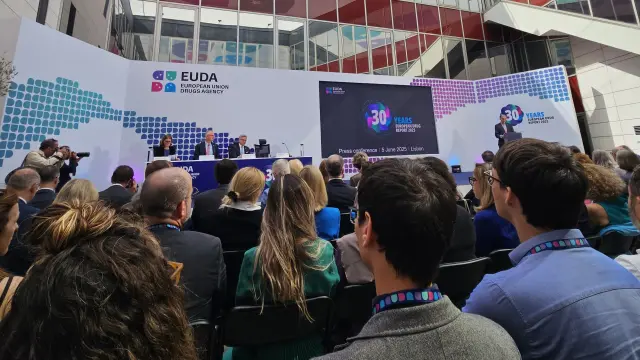
Volám sa Richard Bódi, som absolvent Maastrichtskej univerzity a kampaň organizujem, aby mi pomohla zaistiť potrebné financie na účasť na Európskej konferencii o verejnom zdravotníctve (European Public Health Conference), kde by som mal možnosť sa zastať ľudí v núdzi, ktorí tú možnosť nemajú. Svojou účasťou by som mohol zvýšiť povedomie ohľadom nedostatočnej zdravotnej starostlivosti v slovenských väzniciach.
Komu pomôžeme?
Podporením tejto kampane mi pomôžete zvýšiť povedomie vo vplyvných kruhoch ohľadom témy, ktorá môže zmeniť životy veľkého množstva ľudí. Títo ľudia bojujú každý deň a nedokážu sa obhájiť sami, ak ich nikto nepočúva.
Na čo konkrétne budú peniaze z tejto kampane použité?
Pomôžte mi, prosím, pokryť registračný poplatok na Európsku konferenciu o verejnom zdravotníctve 2026 v Bilbau, kde ma prijali, aby som prezentoval svoju prácu, ktorou obhajujem tých, ktorí to potrebujú a ktorých sa zastáva len málokto. Konkrétne sa jedná o nedostatky v zdravotnej starostlivosti a rovnosti ľudí v slovenských väzniciach.
Vo svojej diplomovej práci som skúmal zavádzanie opioidnej agonistickej liečby (OAT) v slovenských väzniciach. OAT je dôležitá a účinná liečba zameraná na znižovanie škôd (harm reduction) pri užívaní heroínu. Predstavuje efektívnejší spôsob zvládania závislosti, keďže preukázateľne potláča abstinenčné príznaky, predchádza úmrtiam kvôli predávkovaniu a znižuje mieru nákazy HIV a hepatitídy C (HCV). Nepopierateľne pozitívny vplyv OAT viedol k zavedeniu tejto významnej terapie vo väzniciach takmer všetkých členských štátov EÚ – s výnimkou Slovenska.
Mojím cieľom bolo zistiť, prečo Slovensko ako jediná krajina v EÚ nezaviedlo túto liečbu vo väzniciach pre tých, ktorí ju podstupovali už pred uväznením, a to aj napriek jej mnohým pozitívnym účinkom.
Zistil som, že je to okrem iného spôsobené nízkou úrovňou povedomia a negatívnym postojom verejnosti voči ľuďom vo väzení a ľuďom, ktorí užívajú drogy. Umožnenie pokračovania OAT vo väzniciach pre predtým liečených ľudí sa pritom považuje za kľúčové.
Verím, že účasťou na konferencii a prezentovaním svojej práce by som mohol zvýšiť povedomie o tejto medzere v našom zdravotnom systéme a prispieť k úspešnému poskytovaniu dôležitých zdravotných programov, ako je OAT, tým, ktorí to najviac potrebujú.
Who organizes the campaign?
I organize the campaign for myself, Richard Bódi (alumnus of Maastricht University), to help me find the necessary resources to attend the European Public Health Conference 2026, where I could advocate for people in need who do not have the option to do so themselves. By attending I could raise awareness about the lack of sufficient healthcare in Slovak prisons.
Who will we help?
By supporting this campaign you will help me raise awareness on topic which can change the lives of a great number of people who struggle every day and cannot truly stand up for themselves if nobody is listening.
What specifically will the money from this campaign be used for?
Please help me cover the registration fee to join the European Public Health Conference 2026 in Bilbao, where I was accepted to present my work on advocating for those in need who very few other people are advocating for. Specifically, I would raise the issue of lacking healthcare and equity of people in prisons in Slovakia.
For my Master thesis, I researched the implementation of opioid agonist treatment (OAT) in Slovak prisons. OAT is a relevant and effective harm reduction treatment when it comes to heroine use. It embodies a more effective way of overcoming the addiction, as it was shown to suppress withdrawal symptoms, prevent overdose deaths and infection rates of human immunodeficiency virus (HIV), as well as hepatitis C (HCV) by reducing syringe sharing. The undeniable positive impact of OAT led to the implementation of this major pharmacological intervention in prisons of almost all EU Member States – with the exception of Slovakia.
My aim was to investigate why Slovakia, as the only country in the EU, did not implement this treatment in prisons for those who were already undertaking the treatment before imprisonment, even despite its many positive effects.
I found out that this is, among other reasons, due to the low level of awareness and public’s unpopular opinion towards people in prisons and people who use drugs. It is deemed essential to allow for continuation of OAT for people in prisons who have been previously treated.
By attending the conference and presenting my work, I believe I could raise awareness on this gap in our health system and support the successful provision of relevant harm reduction programmes such as OAT to those who need it the most.