Neznámy príbeh
"Keď som sa vrátil z kúpeľne, šiel som k Chrobokovej posteli, položil ruku pod deku na jeho stehná a jemne hladil jeho genitálie. Vzrušilo ma to."
Píše sa rok 1941. Pokladník slovenskej nacistickej strany Deutsche Partei, 36-ročný Leo Kowal, sedí v aute a ide do Viedne. Má totiž svedčiť v tzv. „homosexuálnej kauze“ svojho kolegu Herberta Chroboka. To ešte netuší, že zo svedeckej výpovede sa stane brutálny výsluch – a že domov už sa nevráti.

"§ 175: Smilstvo medzi mužmi – Muž, ktorý sa dopustí smilstva s iným mužom alebo sa nechá mužom zneužívať na smilstvo, sa trestá odňatím slobody."
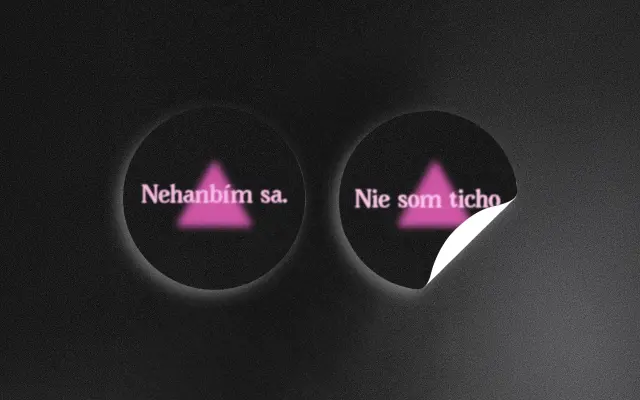
Až 15 000 mužov bolo počas druhej svetovej vojny za homosexualitu poslaných do koncentračných táborov. Tam dostali na hruď ružové trojuholníky. Ani po skončení vojny nenašli pokoj a zostávali ďalej vedení ako zločinci, zatiaľ čo iné obete holokaustu boli uznané. Zákony zostali nezmenené ešte niekoľko rokov a mnohí preživší preto svoje príbehy radšej tajili.
To všetko pre túžbu medzi dvoma ľuďmi.

"Slová mám zaseknuté v hrudníku. Pri dospievaní mi tam uviazol pocit, že je sex dvoch mužov špinavý a odporný. Ale tiež som si ho z hĺbky duše prial. Hanbím sa – pritom viem, že nemám za čo," hovorí režisér dokumentu. Ani dnes nie je gay sex destigmatizovaný. A kvír ľudia a organizácie sú stále terčom nielen slovných útokov.
Dokumentárna esej 66852/REIMAGINED spája intímnu cestu za prekonaním hanby s cestou historicky ambivalentnej postavy Lea Kowala – nacistu, ktorý pre svoju túžbu skončil v Dachau. Čo odhalí nekompromisný lúč baterky v tmavej noci?

Kto za kampaňou stojí?
Režisér Radek Ševčík nadväzuje na prácu s kvír témami – v roku 2023 natočil študentský dokument Otrávená studňa o teroristickom útoku na kvír ľudí pred barom Tepláreň. Vo svojich filmoch, uvedených na rade medzinárodných dokumentárnych festivalov (FIPADOC, Dok.Leipzig, Kassel Dokfest aj.), sa venuje aktuálnym spoločenským témam, čo ho priviedlo aj k rešerši kvír dejín holokaustu.
„Chcel som natočiť film o kvír dejinách holokaustu, no vôbec som nevedel, odkiaľ kam. Preto som napísal trochu naivný e-mail Anne Hájkovej a až neskôr som zistil, akou významnou svetovou historičkou v tejto oblasti je,“ hovorí Radek. „Odvtedy je mojou odbornou konzultantkou.“
Dr. Anna Hájková pôsobí na University of Warwick vo Veľkej Británii a zaoberá sa kvír dejinami holokaustu a sexuality. Je autorkou viacerých kníh preložených do niekoľkých svetových jazykov, okrem iného „Poslední ghetto“ a „Lidé bez dějin jsou prach: Queer touha a holokaust“.
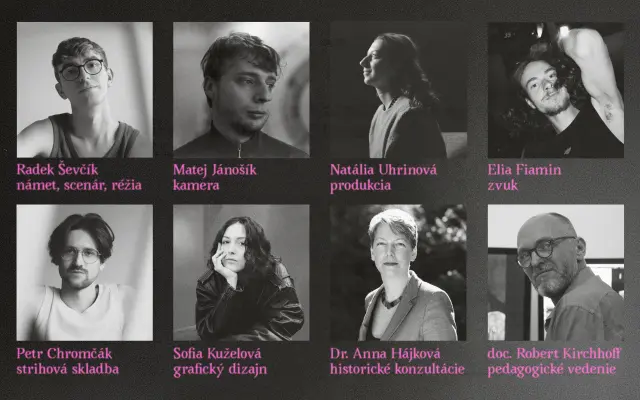
Radek sa pri vzniku filmu obklopil citlivými a kreatívnymi spolupracovníkmi z radov študentstva a absolventstva FTF VŠMU, ktorí mu s odhodlaním pomáhajú vytvoriť úprimný a ojedinelý film.
 © foto Anny Hájkovej: Václav Jirásek
Na čo získané peniaze použijeme?
Potrebujeme naďalej bádať v archívoch, zaobstarať licencie k dobovým materiálom a zabezpečiť právne konzultácie. Financie však využijeme aj na nakrúcanie. Stopy Kowalovej cesty nás totiž vedú za hranice Slovenska – nakrúcať budeme aj v Rakúsku a Nemecku.
Práve preto potrebujeme vašu podporu: aby sme mohli vycestovať, musíme zaplatiť pohonné hmoty, prenájom dodávky a ubytovanie; potrebujeme tiež pokryť prenájom kamerovej a osvetľovacej techniky a povolenia spojené s nakrúcaním.
Zároveň chceme film dostať k divákom po celom svete, a preto časť prostriedkov využijeme aj na jeho distribúciu a prihlasovanie na medzinárodné filmové festivaly.
Pomôžte mladým tvorcom, ktorým nie je ľahostajná naša minulosť, otvárať dôležité témy.
| Ďakujeme, že pomáhate pamätať! |

An Unheard Story
‘When I returned from the bathroom, I went to Chrobok’s bed, placed my hand under the blanket on his thighs, and gently stroked his genitals. It aroused me.‘
AD 1941. Leo Kowal, a 36-year-old treasurer of the Slovak Nazi party Deutsche Partei, is on his way to Vienna. He is to testify in the so-called homosexual case of his colleague Herbert Chrobok. He has no idea that the Gestapo has prepared a brutal interrogation instead — and that he will never return home.

‘§ 175: Fornication between men – A man who commits sexual acts with another man, or allows himself to be misused for sexual acts by a man, will be punished with prison.‘
Up to 15 000 men were sent to concentration camps during World War II for homosexuality. They were marked with pink triangles, sewn onto their clothes.
The end of the war did not bring them freedom. While other victims of the Holocaust were acknowledged, they remained classified as criminals. The laws remained unchanged for years, leaving many survivors with only one option: silence.
All of this for a desire between two people.

‘The words are stuck in my chest. Somewhere during puberty, a feeling settled there — that sex between two men is dirty and disgusting. And yet, deep down, I longed for it. I am ashamed — even though I know I have no reason to be,‘ says the film’s director.
Even today, gay sex is not destigmatized. Queer people and organizations remain targets, not only of verbal attacks.
The documentary essay 66852/REIMAGINED connects a deeply intimate journey to overcome shame with the fate of Leo Kowal — a historically ambivalent Nazi who was sent to Dachau because of his desire.
What does a beam of light expose in the dark of night?
Who’s behind this campaign?
Director Radek Ševčík continues his work with queer themes In 2023, he directed the short documentary Poisoned Well about the terrorist attack on queer people in Bratislava. His films have been screened at a number of international documentary festivals, including FIPADOC, Dok.Leipzig, and Kassel Dokfest. Through his work, he engages with pressing social issues — a focus that led him to research the queer history of the Holocaust.
‘I wanted to make a film about the queer history of the Holocaust, but I had no idea where to start. So I sent a somewhat naive email to Anna Hájková, and only later did I realize what a renowned historian she is.‘ says Radek. ‘Since then, she has been my expert consultant.‘
Dr. Anna Hájková teaches at the University of Warwick in the United Kingdom, specializing in queer history of the Holocaust and sexuality. She is the author of several books translated into multiple languages, including ‘The Last Ghetto: An Everyday History of Theresienstadt‘ and ‘People Without History Are Dust: Queer Desire in the Holocaust‘.
Radek surrounded himself with sensitive and creative students and alumni of FTF VŠMU, who are dedicated to helping him create an honest and unique film.
 © photo of Dr. Anna Hájková by Václav Jirásek
Where your support goes
We need to continue researching in archives, obtain licenses for historical materials, and secure legal consultations. The funds will also be used for filming: Kowal’s journey takes us beyond Slovakia, with filming planned in Austria and Germany.
That’s why we need your support: to cover fuel, van rental, filming permits, and accommodation, as well as camera and lighting equipment.
We want the film to reach audiences around the world, which is why part of the funds will go toward distribution and festival submission fees.
Help young filmmakers bring important topics to light.
| You help us keep memory alive. Thank you! |